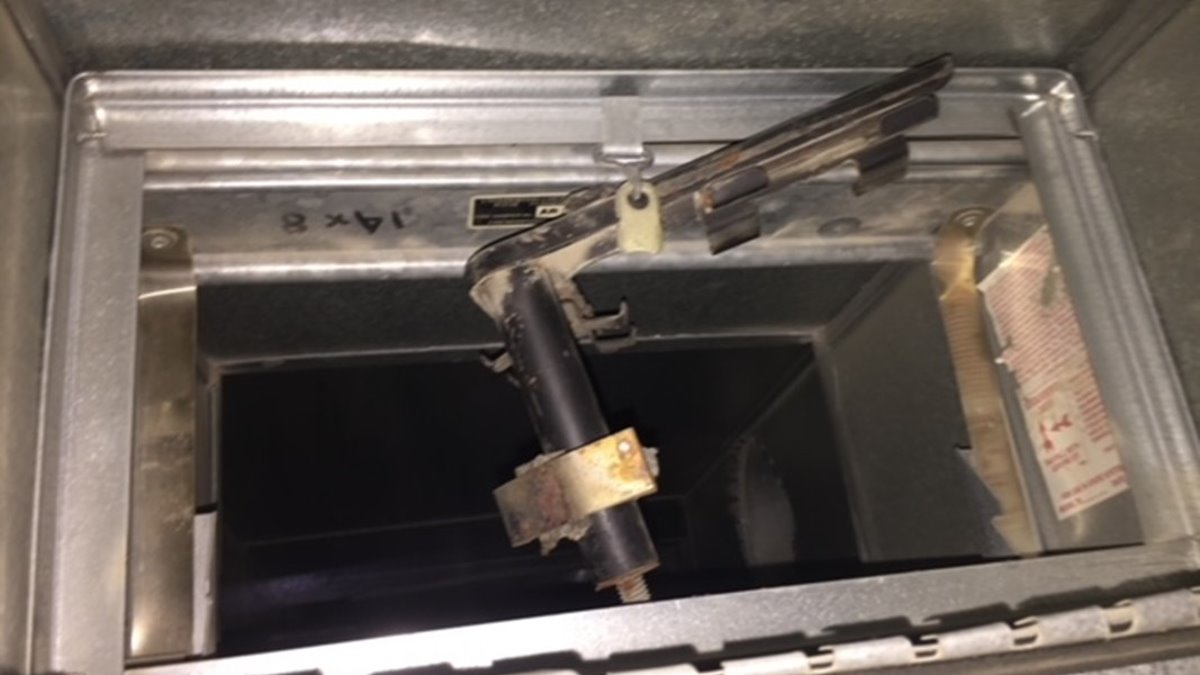
Fire & Smoke Dampers

Inspection, repair and installation by ICB-certified technicians, with the NFPA 80 and NFPA 105 documentation your inspector wants.
NFPA 80 & NFPA 105 Compliance

Keep life safety systems ready for emergencies

NorPac Sheet Metal, Inc. conducts routine inspections, installs new dampers during construction or retrofit projects, and repairs faulty components to keep your fire and smoke dampers operational. We serve commercial facilities throughout Montana and Wyoming that are required to maintain NFPA compliance records.

If your facility has upcoming inspections, or recent construction added ductwork that crosses rated barriers, call (406) 248-1757.
Inspection

Fire & Smoke Damper Inspection

Annual inspections comply with NFPA 80 and NFPA 105 standards, which require verification that dampers move freely, that fusible links are intact and unobstructed, and that actuators respond to control signals.
Technicians open access panels, remove obstructions such as debris or insulation, manually operate blades, and record findings on a site-specific checklist. Each damper is tagged with the inspection date, and you receive a written report listing pass or fail status for every unit in your facility.

Your inspection report includes

Inspection

Fire & Smoke Damper Inspection

Annual inspections comply with NFPA 80 and NFPA 105 standards, which require verification that dampers move freely, that fusible links are intact and unobstructed, and that actuators respond to control signals.

Technicians open access panels, remove obstructions such as debris or insulation, manually operate blades, and record findings on a site-specific checklist. Each damper is tagged with the inspection date, and you receive a written report listing pass or fail status for every unit in your facility.

Your inspection report includes

Repair

Fire, Smoke, and Fire/Smoke Combination Dampers Repair

Repair work addresses bent blades, corroded frames, failed actuators, and missing or damaged fusible links, restoring each unit to manufacturer specifications.

After inspection we provide a summary identifying dampers requiring repair, replacement parts or adjustments. Repairs are scheduled based on urgency, with critical failures addressed immediately and minor issues corrected during planned maintenance windows to minimize disruption to building operations.

Why dampers fail inspection

Installation

Fire, Smoke, and Fire/Smoke Combination Dampers Installation

Installation projects begin with a review of mechanical drawings and fire protection plans to confirm damper locations, ratings and coordination with HVAC ductwork.
Dampers are mounted in sleeves or frames anchored to structural members, and duct connections are sealed with fire-rated sealant or collars. Control wiring for smoke dampers is routed according to electrical code and connected to the fire alarm panel with proper labeling. Final testing confirms each damper operates as intended before the system is turned over for occupancy.
Hospitals, schools, warehouses and office buildings across Montana and Wyoming depend on fire dampers to satisfy inspection requirements and safeguard occupants.
Fire Dampers

Fire Dampers: Contain Fire Before It Reaches Occupied Spaces

Fire dampers automatically close when temperatures exceed safe thresholds, preventing flames from traveling through ductwork during a fire. These devices meet commercial building code requirements where HVAC ducts penetrate fire-rated walls, floors and ceilings.

A fusible link rated to release between 165 and 286 degrees Fahrenheit melts, and gravity or a spring mechanism snaps the blades shut, physically blocking the duct opening within seconds.
Smoke Dampers

Smoke Dampers: Block Smoke Movement Through Ventilation
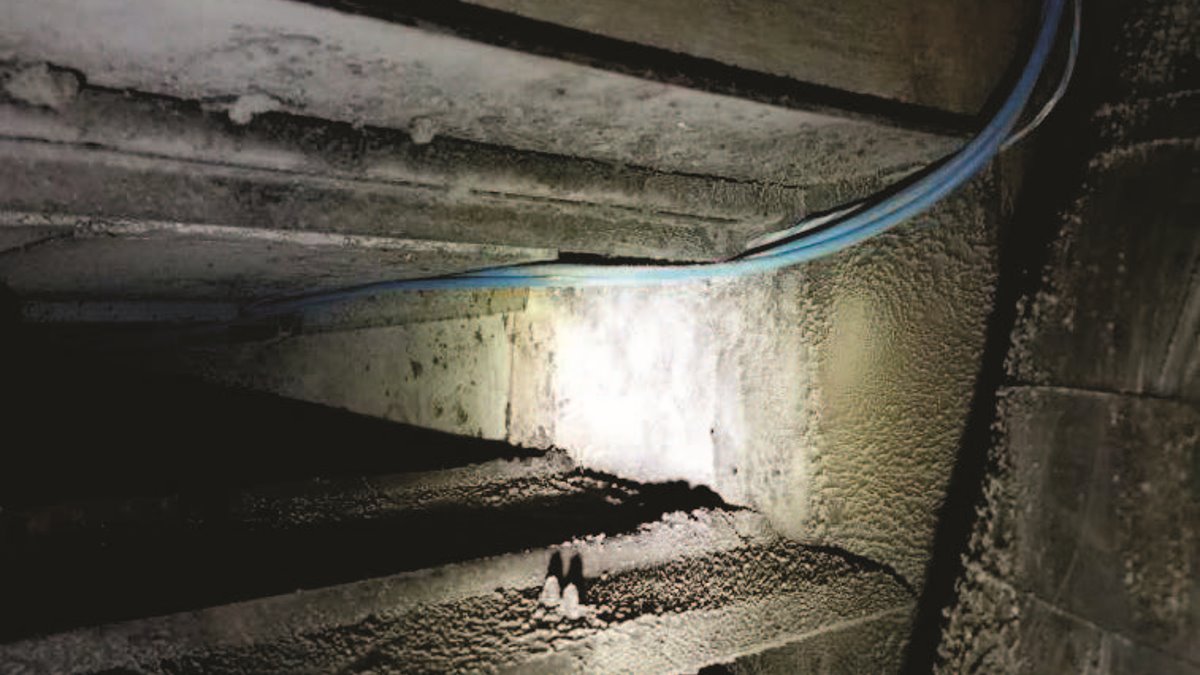
Smoke dampers automatically close when smoke detectors signal a fire condition, preventing smoke from migrating through ductwork and contaminating safe areas of your building. They maintain visibility in egress corridors and stairwells, giving occupants time to evacuate without exposure to toxic fumes.
Unlike fire dampers, which respond to heat, smoke dampers activate on an electrical signal from a smoke detector or fire alarm panel. Each includes a smoke-rated seal that restricts leakage to levels defined by UL 555S standards, and an indicator or position switch so operators can confirm closure from a central panel.
Smoke Dampers

Smoke Dampers: Block Smoke Movement Through Ventilation

Smoke dampers automatically close when smoke detectors signal a fire condition, preventing smoke from migrating through ductwork and contaminating safe areas of your building. They maintain visibility in egress corridors and stairwells, giving occupants time to evacuate without exposure to toxic fumes.

Unlike fire dampers, which respond to heat, smoke dampers activate on an electrical signal from a smoke detector or fire alarm panel. Each includes a smoke-rated seal that restricts leakage to levels defined by UL 555S standards, and an indicator or position switch so operators can confirm closure from a central panel.
Certification

ICB-Certified Fire & Smoke Damper Technicians

We employ ICB-certified technicians accredited by ANAB to inspect, test and maintain fire and smoke dampers in commercial buildings where code compliance and occupant safety are non-negotiable.
Certified inspections provide defensible documentation that satisfies code officials, insurance underwriters and legal requirements, reducing the risk of fines or coverage disputes during audits. Each report includes technician credentials, individual damper test results and a summary of code compliance status.

Request a certified technician when

NFPA Standards

Inspection frequency & requirements

Ensuring that fire, smoke and combination dampers are inspected on schedule is a critical life-safety requirement. Montana follows the national standards under NFPA 80 and NFPA 105.
Inspection
Frequency
Initial inspection
1 year after installation
Routine inspections
Every 4 years for most buildings
Hospital inspections
Every 6 years
Common Questions

Questions from building managers

Depending on the number of dampers and building access, inspection of a mid-sized commercial facility typically requires four to eight hours, with larger campuses scheduled over multiple days.
The report lists each damper location, describes blade operation, notes fusible link or actuator condition, and flags any units that fail to meet code requirements or manufacturer standards.
You replace a damper when the frame is structurally compromised, when blades are severely bent or missing, or when the unit no longer matches the fire rating of the assembly it protects.
A fire damper responds to heat through a fusible link that melts and releases spring-loaded blades. A smoke damper responds to an electrical signal from a smoke detector or fire alarm panel, closing via an actuator.
Inspectors must reach each damper to manually test blade movement and confirm fusible links have not been painted over or damaged.
Cold climates can lead to condensation in duct sleeves, causing corrosion over time, so inspections in these regions often include checks for moisture damage and proper sealing around access panels.

Call HVAC contractors throughout Montana and Wyoming today.

Office Locations

Mailing Address
PO Box 30776
Billings, MT 59107

NorPac Sheet Metal, Inc. | Main Office
7072 Commercial Avenue
Billings, MT 59101

NorPac Sheet Metal, Inc. | Fabrication Office
2041 Harnish Boulevard
Billings, MT 59101

Scroll to Top